Wheel drivetrain - the basis for efficient driving
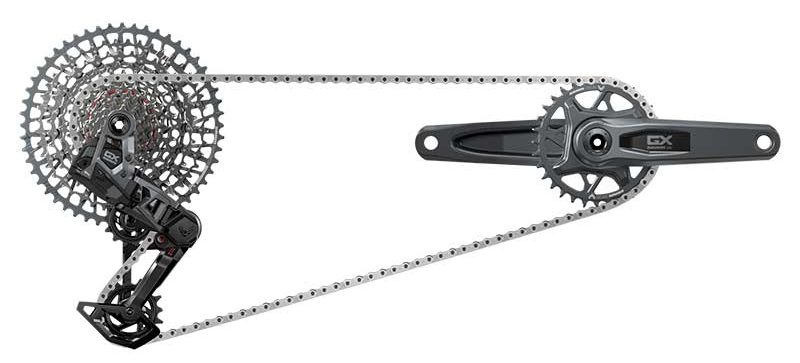
The wheel's drivetrain is a key part of the bike's performance, and is responsible for transmitting the force generated by pedalling to the rear wheel, converting muscle power into movement. The quality and condition of the drivetrain directly affects the speed, efficiency and ride comfort of the bike. A well-functioning drivetrain ensures that every pedal stroke moves you forward with maximum effortlessness and precision.
Whether commuting, touring or demanding off-road cycling, the importance of drivetrain is particularly important in varied terrain and over long distances. A properly maintained and quality transmission allows for smooth gear changes, smooth pedalling and reduced component wear.
Why is the drivetrain the most important technical part of a bike?
Voimansiirto muodostaa pyörän “liikkuvan sydämen”, ja sen osat työskentelevät jatkuvasti yhdessä varmistaen, että energia siirtyy tehokkaasti polkimilta takapyörälle. Jos voimansiirto on likainen tai kulunut, polkeminen muuttuu raskaammaksi, vaihteenvaihdot epätarkoiksi ja pyörän suorituskyky heikkenee merkittävästi.
When choosing and maintaining your transmission, you should consider the following:
- Driving style and purpose - On road bikes, the emphasis is on lightness and precision, while on mountain bikes, transmission durability and gear range are important.
- Component quality and compatibility - Quality and compatible parts ensure a long-lasting and reliable transmission.
- Regular maintenance - Cleaning and lubricating your chains and wheels will extend the life of your parts and ensure a smooth ride.
- Range and pedal feel - Different types of bikes and riding situations require different gear ranges and different pedalling sensations.
The main components of the powertrain and their roles
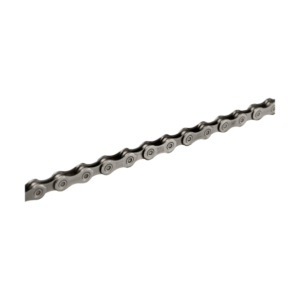
1. The chain - the core of the transmission
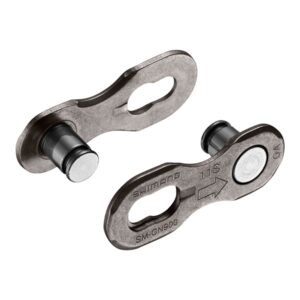
The chain is the most important part of the drivetrain and the one most exposed to wear. It connects the front and rear wheels, transmitting power from the pedals to the rear wheel. A high-quality chain reduces friction and improves pedalling efficiency.
- Mission: Transmission of power from the front wheel to the rear wheel.
- Maintenance: Regular cleaning, lubrication and replacement of worn chains.
2. Front wheels and crankset
The front wheels are located in the pedals and are directly connected to the chain. The size and number of wheels affect the variability of the transmission and the driving style.
- Mission: Determines the gear range of the wheel and pedal